Of Infrared Expertise
Plus Alaska & Puerto Rico
Not Drones
For Facility Decision-Makers
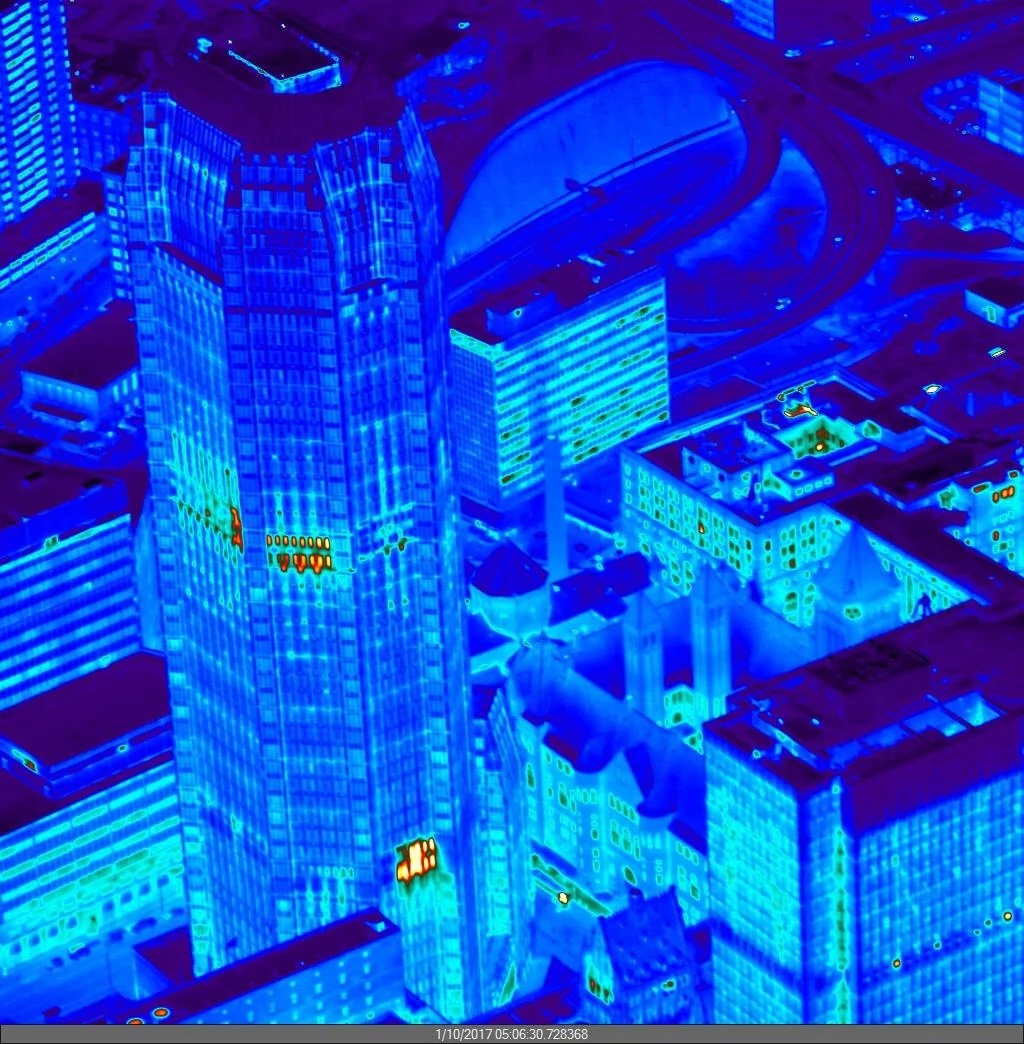
CityScan IR is a non-destructive inspection program that uses aircraft-mounted thermal imaging to map an entire city’s underground steam, hot water, and chilled-water distribution networks in a single overnight mission. Where heat is escaping from a buried line, our sensors capture that signature and georeference every anomaly across the full service area to your utility GIS.
The result is a citywide loss inventory tied to your distribution drawings, ranked by severity. Instead of inspecting the network street by street, your operations and engineering teams know which segments need attention, which need replacement, and where the system is operating as designed.
We’ve been doing this work for decades using aircraft engineered specifically for thermal collection — not consumer hardware, not adapted equipment. The data is built to support city engineering workflows, rate-base reporting, and capital planning across multiple agencies.
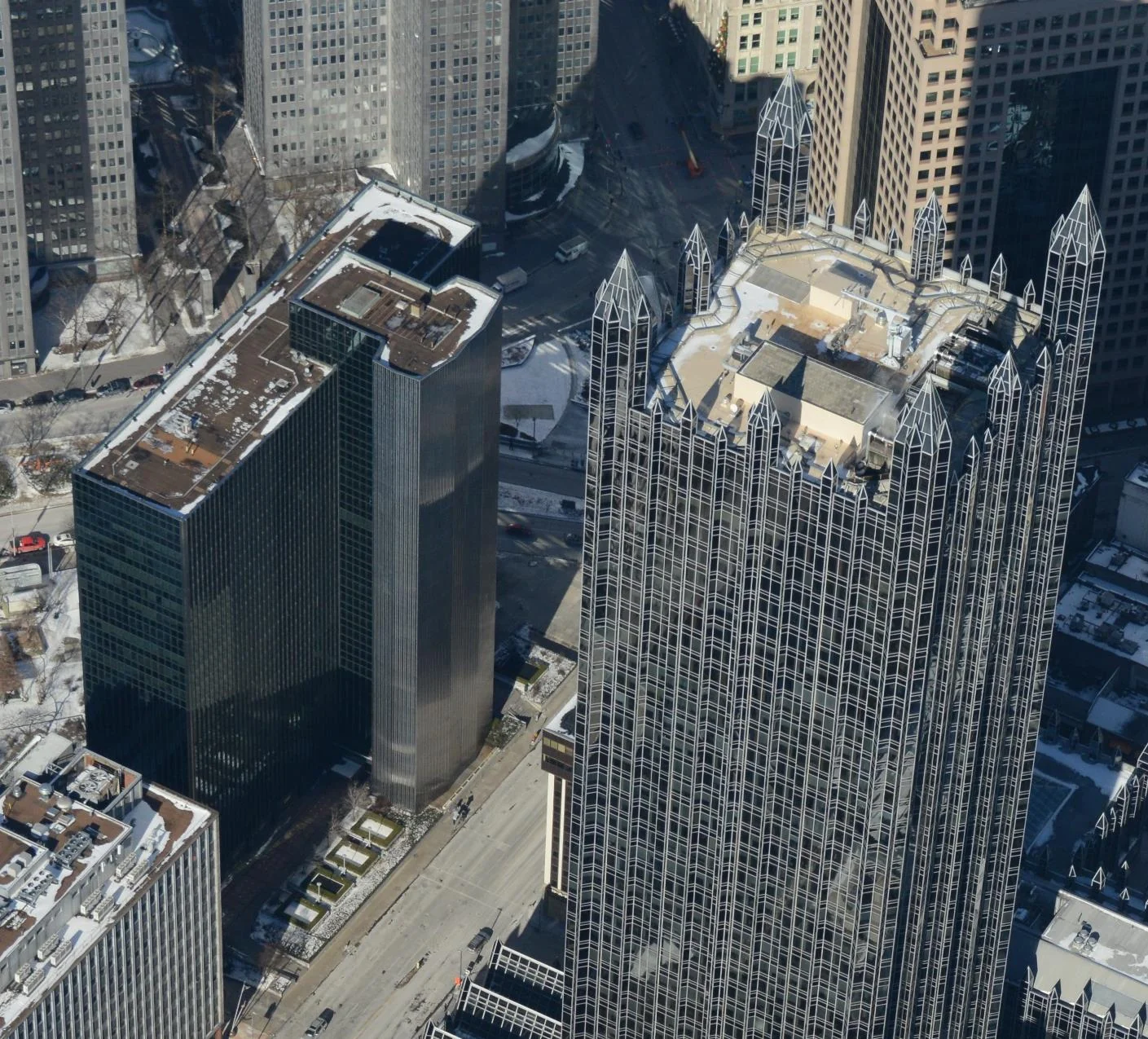
For a single block or a known problem location, ground-based thermography and short-range platforms have their place. For citywide distribution networks, the math changes fast — coverage area, urban airspace, and survey conditions all favor aircraft.
A single aircraft mission can scan an entire downtown service area in one overnight flight, with FAA coordination handled in advance. Our thermal sensors operate in the spectral bands engineered for ground-surface temperature differentials at altitude — not the consumer-grade wavelengths typical of short-range UAS payloads. We fly when the diurnal heat load has decayed and contrast is sharpest.
The result isn’t just faster — it’s more consistent. Every segment is scanned in the same flight, under the same conditions, with the same sensor. That consistency is what makes the dataset defensible for operations, capital planning, and regulatory decisions.
Downtown steam, hot water, and chilled-water loops are some of the most expensive utilities a city produces. Distribution losses of fifteen to twenty-five percent are common on aging networks, and a single uninspected segment can hide millions of dollars of annual loss. The ratepayer, the regulator, and the city’s capital planning office all eventually pay for what the utility doesn’t know.
CityScan IR converts that hidden loss into a citywide inventory your operations team can act on. Instead of chasing complaints or responding to surface symptoms, the system is managed against a ranked map of where the losses actually are. Most municipal operators recover the cost of the survey through fuel savings within a single operating year, and the data strengthens every subsequent capital case and rate proceeding the utility brings.
There is also a political and reputational return that matters on city systems. Underground utility failures in occupied downtown districts attract media coverage, council inquiry, and ratepayer scrutiny. A documented aerial survey demonstrates that the utility is operating its system with the best available tools, and the existence of the survey often shifts the narrative from reactive crisis management to proactive asset stewardship. Over time, that narrative compounds: utilities that survey on a defensible cadence build a track record their regulator, ratepayer commission, and city council can defend, and that track record is what protects rate cases, capital requests, and long-term operational autonomy.
Municipal operators who run CityScan on a defensible cadence operate a measurably more efficient distribution system than operators who don’t, and they do so with materially stronger documentation in front of every stakeholder that matters. The survey is an investment in operational efficiency, capital posture, regulatory standing, and political defensibility — all four of which compound over the operational life of the system.